
Tumors and vascular malformations
Research Program
Where we are
 SJD Barcelona Children's Hospital
Vascular anomalies are a group of rare disorders caused by abnormalities in the development and growth of blood and lymphatic vessels. These conditions are typically present at birth and are broadly classified into vascular tumours and vascular malformations, which arise from abnormal endothelial cells, the cells lining blood vessels, and structural defects in the vascular network. Over the past decade, major advances in genetics have revealed that many vascular anomalies are driven by somatic activating mutations in oncogenic signalling pathways, most prominently the PI3K and RAS/MAPK pathways, which regulate cell growth, proliferation, and vascular development. Dysregulation of these pathways in endothelial and vascular progenitor cells leads to abnormal vessel formation and tissue overgrowth.
Vascular tumours include lesions such as infantile hemangioma, the most common vascular tumour of infancy, as well as rarer entities including congenital hemangiomas and kaposiform hemangioendothelioma. In contrast, vascular malformations comprise a diverse group of disorders affecting capillaries, arteries, veins, and lymphatic vessels, often presenting as complex or combined malformations that can cause significant morbidity. In some patients, vascular anomalies occur as part of broader genetic syndromes such as the cancer-predisposition disorder PTEN Hamartoma Tumour Syndrome (PHTS), Sturge-Weber syndrome, the PIK3CA-Related Overgrowth Spectrum (PROS), or capillary malformation- arteriovenous malformation syndrome, highlighting the central role of developmental growth signalling in these conditions.
Our overall goal is to uncover the genetic and molecular drivers underlying vascular anomalies and to understand their pathomechanisms at the molecular, cellular, and organismal levels. Our research integrates genomic and experimental approaches with comprehensive clinical data obtained through the Multidisciplinary Vascular Anomalies Unit, where patients undergo exhaustive clinical diagnosis and characterization (deep pheonotyping) and followed over time to describe the natural history of these diseases. . By identifying the key biological drivers of disease, we generate innovative experimental models that faithfully recapitulate vascular anomalies, enabling mechanistic studies and the development of preclinical platforms to test targeted therapeutic strategies aimed at improving patient care.
Research lines
- Discovery of novel genetic drivers of vascular anomalies. Many vascular tumours and malformations still lack an identified genetic or molecular cause. We analyze patient-derived samples using state-of-the-art genomic and molecular technologies to identify new pathogenic variants and signalling pathways driving these disorders.
- Ascertain the natural history and impact on quality of life of patients with vascular anomalies. We study disease progression, clinical outcomes, and treatment responses across different types of vascular anomalies. This helps define patients' long-term clinical burden and impact on quality of life.
- Mechanisms of oncogenic signalling in vascular anomalies. We investigate how alterations in key developmental pathways drive the formation of vascular tumours, vascular malformations, and associated complex syndromes.
- Endothelial cell fate and disease initiation. We study how genetic alterations influence endothelial cell identity, behaviour, and differentiation, and how these processes determine whether vascular lesions develop as tumours or malformations.
- Angiogenesis in pediatric solid tumours. We explore the role of tumour-associated angiogenesis in paediatric cancers, aiming to understand how vascular growth contributes to tumour progression and how these mechanisms can be therapeutically targeted.
Scientific objectives
- Discover new molecular causes of vascular anomalies. A significant proportion of vascular tumours and malformations still lack a defined genetic basis. We use advanced genomic and molecular technologies and analysis of patient-derived samples to identify novel mutations and signalling networks involved in disease initiation.
- Characterize pathogenic signalling pathways and mechanisms of lesion formation. We aim to understand how aberrant activation of oncogenic pathways, particularly PI3K/PTEN, RAS/MAPK, and GNAQ signalling, alter endothelial cell behaviour, vascular growth, and tissue organization, leading to the development of proliferative tumours or structural malformations.
- Model vascular anomalies. By developing experimental models that recapitulate patient mutations and phenotypes, we explore disease mechanisms and create platforms to evaluate potential therapeutic strategies.
- Understand the role of angiogenesis in paediatric tumours. We study how tumour-associated vascularization contributes to the growth and progression of pediatric solid cancers and how these processes might be exploited therapeutically.
Area/Field of expertise
Our research group integrates basic and clinical scientists working together to understand the biological mechanisms underlying vascular anomalies and tumour angiogenesis. This composition enables us to approach these diseases from multiple perspectives, linking mechanistic research with clinical insight and patient needs. We combine expertise in cell and molecular biology, vascular biology, genomics, and computational biology to study the genetic and cellular drivers of vascular tumours and malformations. Our work uses state-of-the-art experimental and analytical approaches to investigate disease mechanisms across molecular, cellular, and organismal levels.
Our group allows us to directly connect laboratory discoveries with clinical observations and patient samples. This integrated bench-to-bedside structure facilitates the identification of disease mechanisms, biomarkers, and therapeutic vulnerabilities, aiming to improve diagnosis, treatment strategies, and outcomes for patients affected by vascular anomalies.
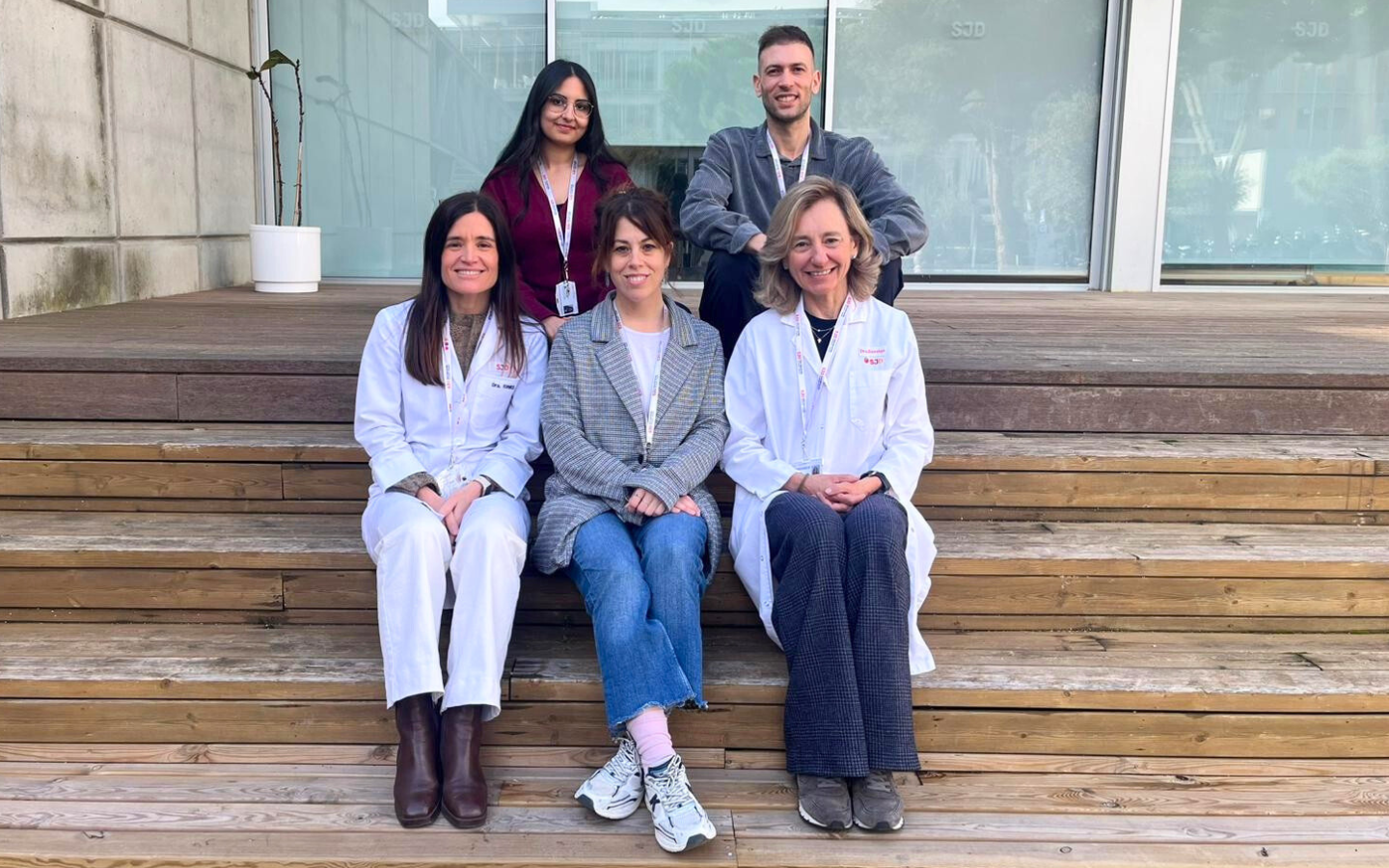
Group members
-

Jefe de Grupo
-

Jefe de Grupo
-

Investigador pre-doc
-
Investigador post-doc
-
Investigador pre-doc
-
Técnico
-

Investigador pre-doc
Last Publications
- Gasparella P, Haxhija EQ, Andersen R, Barea M, Baselga E, Miguel Bejarano Serrano, Berger S, Bisdorff AA, Boccara O, Borgards P, Bom-Sucesso M, Boon LM, Cimpean AM, Diociaiuti A, Dvorakova V, Hachem ME, Frisk S, Ghaffarpour N, Holm A, Irvine AD, Kaltoft M, Kapp FG, Koskova O, Kyrklund K, Madureira M, Palionis D, Przewratil P, Schönewolf-Greulich B, Stanciulescu MC, Šterba J, Tolonen J, Vaisnyte B, van der Vleuten C, Wyrzykowski D, Kool LS and Vikkula M The VASCERN-VASCA diagnostic and management pathways for kaposiform hemangioendothelioma EUROPEAN JOURNAL OF PEDIATRICS . 185(1): 14-14.
- Espinosa A, del Río-Florentino R, Baselga E and Hinojosa J Capillary malformation-arteriovenous malformation: atypical neonatal presentation. anales de pediatria . 103(6): 504054-504054.
- Bonet N, Mascaro JM Jr, Hurtado-Navarro L, Angosto-Bazarra D, Callejas-Rubio JL, Clemente D, Souto A, Lima O, Palmou-Fontana N, Baselga E, Jiménez-Treviño S, Remesal A, Andreu-Barasoain M, Fernandez-Dominguez L, Riera-Monroig J, Aparicio M, Garcia-Herrero J, Pesqué D, Sanchez-Calvin MT, Lezana-Rosales JM, Correyero-Plaza M, Garcia-Villalba J, Bolaño V, Peiro S, Diaz M, Vlagea A, Lorca D, Fabregat V, Anton MC, Plaza S, Gonzalez-Granado LI, Postigo C, de Morales JMG, de la Fuente EG, Iglesias-Jimenez E, Gomez-Roman J, Vázquez-Triñanes C, Lopez-Robledillo JC, Ortego-Centeno N, Giménez-Arnau AM, Campistol-Plana J, Laayouni H, de Landazuri IO, Yagüe-Ribes J, Gonzalez-Roca E, Mensa-Vilaro A, Fornas O, Ramos E, Pelegrin P, Casals F and Arostegui-Gorospe JI Novel Insights into the Clinical Features, Genetic Spectrum and Clonal Evolution of Patients Carrying NLRP3 Mosaicism JOURNAL OF CLINICAL IMMUNOLOGY . 45(1): 134-134.
Projects
- Project name:
- MAPping the mechanisms of lesion onset and progression in PHtS-related vascular malformations (MAPten)
- Leader
- Sandra Castillo Diez
- Funding entities:
- PTEN Research Foundation
- Code
- PFE00148
- Starting - finishing date:
- 2025 - 2029
- Project name:
- Anomalías vasculares causadas por mutaciones en GNAQ: un gen, dos destinos
- Leader
- Sandra Castillo Diez
- Funding entities:
- Ministerio De Ciencia E Innovacion
- Code
- PID2024-156876OB-I00
- Starting - finishing date:
- 2025 - 2028
- Project name:
- Tratamiento y prevención de la coagulopatía intravascular localizada en malformaciones venosas y linfáticas de bajo flujo en pacientes pediátricos. Uso de enoxaparina durante intervencionismo percutáneo
- Leader
- Eulalia Baselga Torres, Ruben Berrueco Moreno
- Funding entities:
- Instituto de Salud Carlos III (ISCIII)
- Code
- PI24/00803
- Starting - finishing date:
- 2025 - 2027
