
New scientific review analyzes the connection between immunity and post-COVID cognitive alterations
The molecular psychiatry research team of the Etiopathogenesis and Treatment of Serious Mental Disorders (MERITT) group of the Institut de Recerca Sant Joan de Déu (IRSJD) and the Parc Sanitari Sant Joan de Déu (PSSJD) has participated in a scientific review recently published in the International Journal of Molecular Sciences, entitled "Cognition, Cytokines, Blood-Brain Barrier, and Beyond in COVID-19: A Narrative Review". This publication comprehensively analyzes how SARS-CoV-2 infection can affect cognitive function through immunological mechanisms and alterations of the blood-brain barrier.
The study, carried out by researchers from several international institutions, includes researcher Belén Ramos from the IRSJD as one of the main authors, and provides an updated synthesis of the available scientific literature on the mechanisms that link the inflammatory response with the cognitive alterations observed in patients with COVID-19 in the acute and post-acute phases of the disease. The first author of the review is Professor Ana Barajas of the Autonomous University of Barcelona, key to organizing temporally the profiles of post-COVID cognitive impairment and integrating this information with the prevalence of these post-COVID-19 sequelae, risk factors, social impact and possible therapeutic approaches in these people according to the phase of the disease.
Understanding the connection between brain and immunity
The review highlights how several types of cytokines - key proteins of the immune system - can remain elevated beyond the initial phase of infection and be associated with persistent cognitive impairment. It also reviews evidence of how the permeability of the blood-brain barrier could contribute to the entry of inflammatory molecules into the brain, with possible implications for the functioning of neuronal circuits in the long term.
"This publication highlights the complexity of the cognitive alterations that we observe after SARS-CoV-2 infection and the importance of understanding the underlying immunological processes. The review helps us integrate data from several studies to advance the development of diagnostic markers and therapeutic strategies that can improve the quality of life of people affected by COVID-19 in the long term," explains researcher Belén Ramos.
Impact and future of the research
The results of this scientific review provide a solid foundation for future lines of research focused on:
- Identifying specific biomarkers of post-COVID-19 cognitive impairment.
- Analyzing the duration and evolution of alterations in the immune system, neuronal damage and the blood-brain barrier.
- Developing personalized therapeutic strategies for patients with prolonged cognitive sequelae.
The IRSJD's participation in this work reflects the center's commitment to quality research in mental health and neuroscience, as well as its contribution to better understanding the long-term consequences of the pandemic.
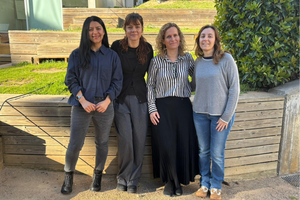
This publication highlights the complexity of the cognitive alterations that we observe after SARS-CoV-2 infection.
